Capacity building training
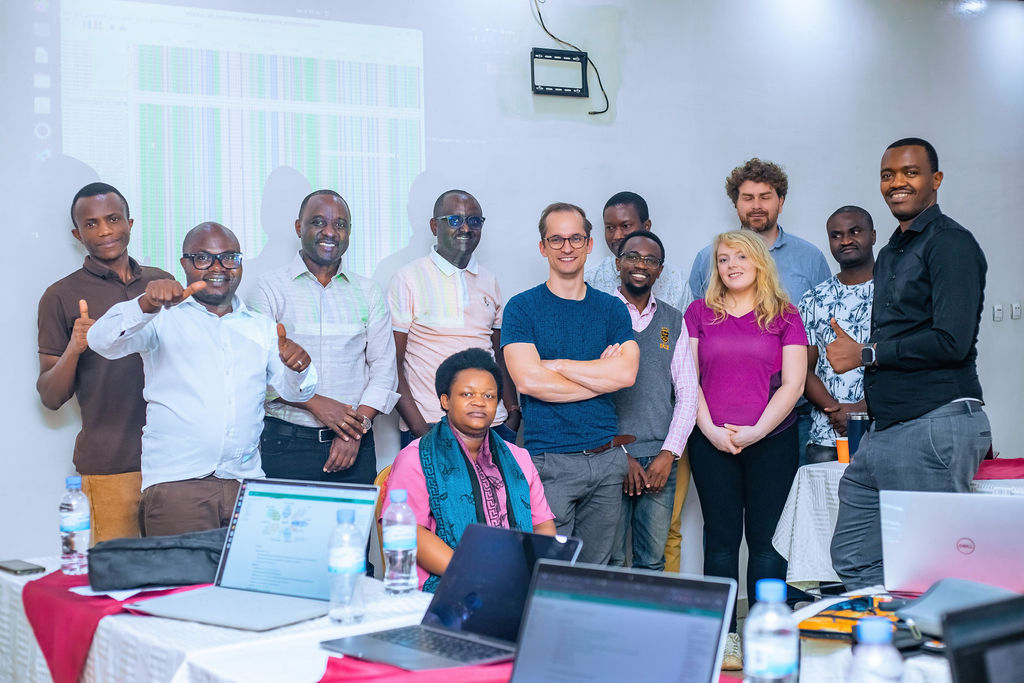
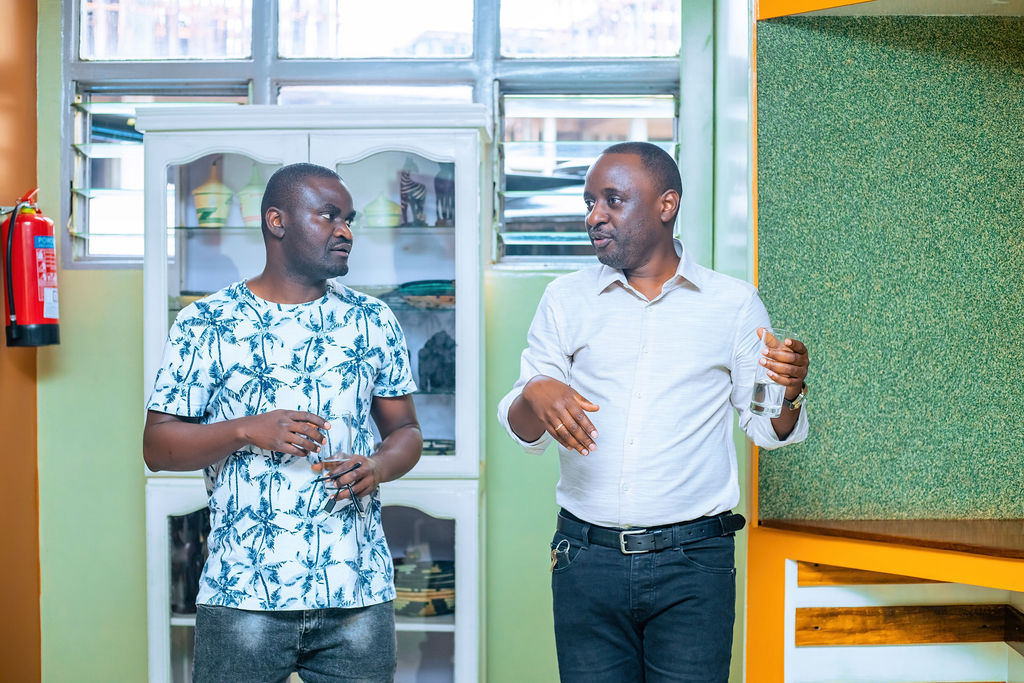
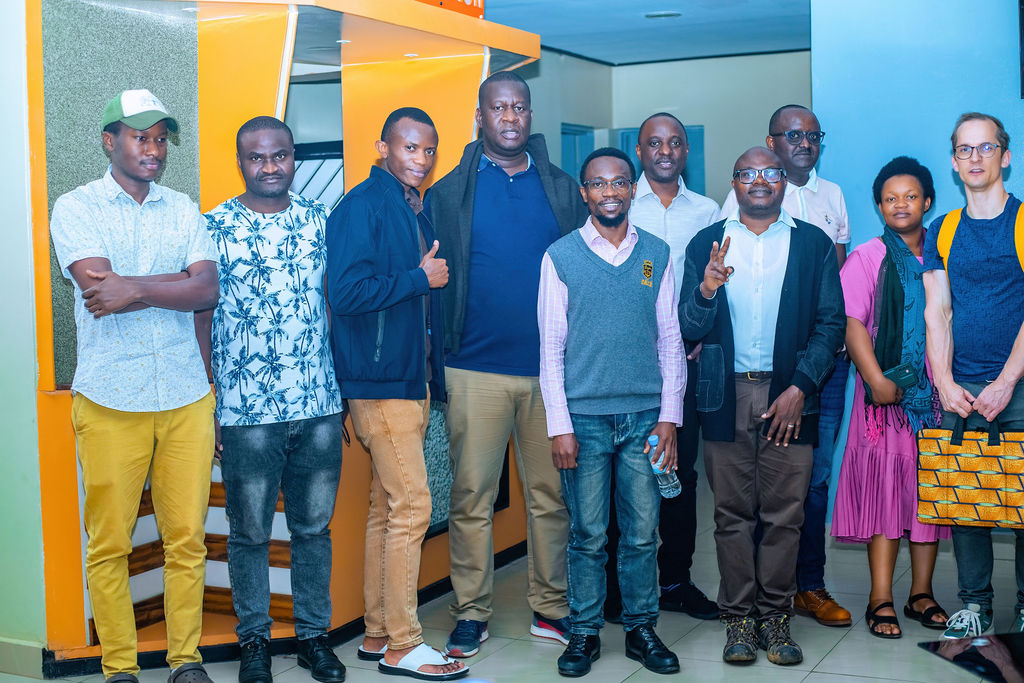
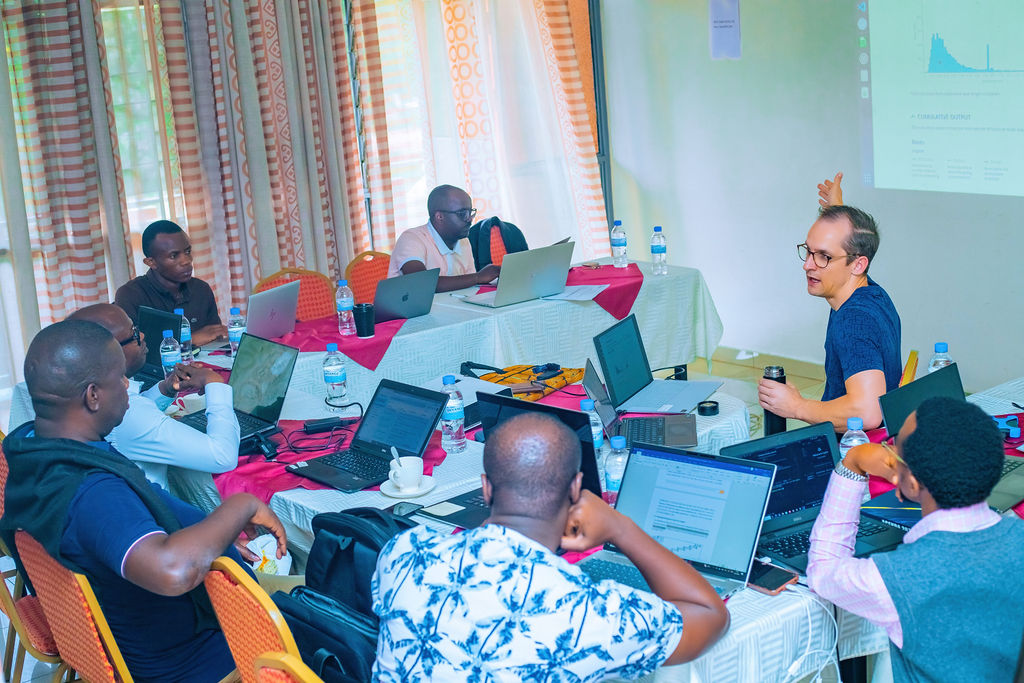
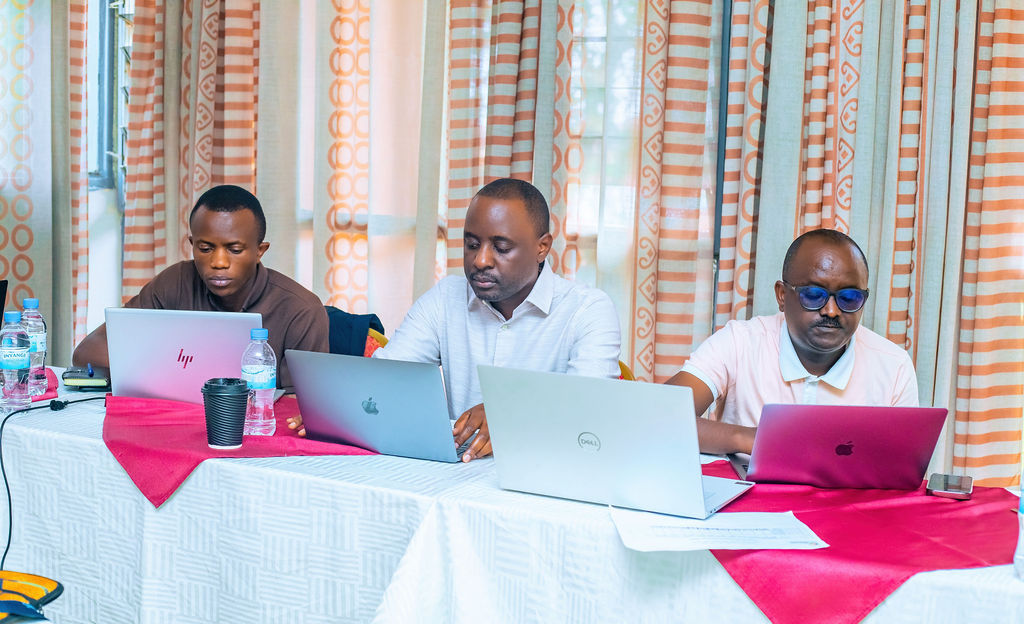
In Rwanda, a recent training brought together local scientists from Burundi, Rwanda, Tanzania and the DRC to learn hands-on methods for processing and analyzing samples.
The workshop focused on practical techniques and data analysis—from processing samples for metagenomic and amplicon-based whole genome sequencing to analyzing and interpreting the resulting data using bioinformatics tools. By sharing these skills, the training helps strengthen local expertise in environmental surveillance and public health research. Participants gained technical knowledge to be able to apply it in their own laboratories and communities, ensuring that important monitoring work can continue sustainably at the national level.
Building local capacity is a cornerstone of long-term public health resilience. When scientists and institutions within a country have the tools, knowledge, and infrastructure to monitor disease threats, they can respond more quickly and effectively to outbreaks. Empowering local experts reduces dependency on external laboratories and creates lasting networks for collaboration, innovation, and knowledge sharing. This approach ensures that scientific progress benefits the people who need it most—protecting communities, strengthening health systems, and promoting regional self-reliance in the face of future challenges.
The training followed the protocols, which are available here:
The training also used the following package list of the reagents and plastics used during the African workshops:


