LET’S MEET

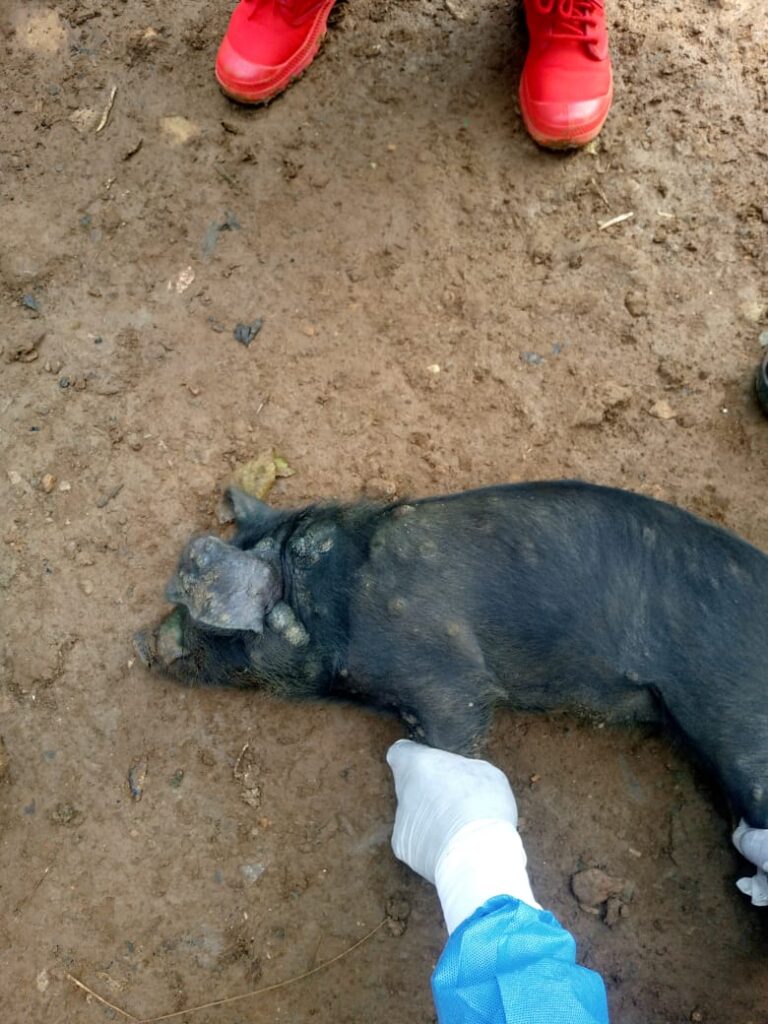
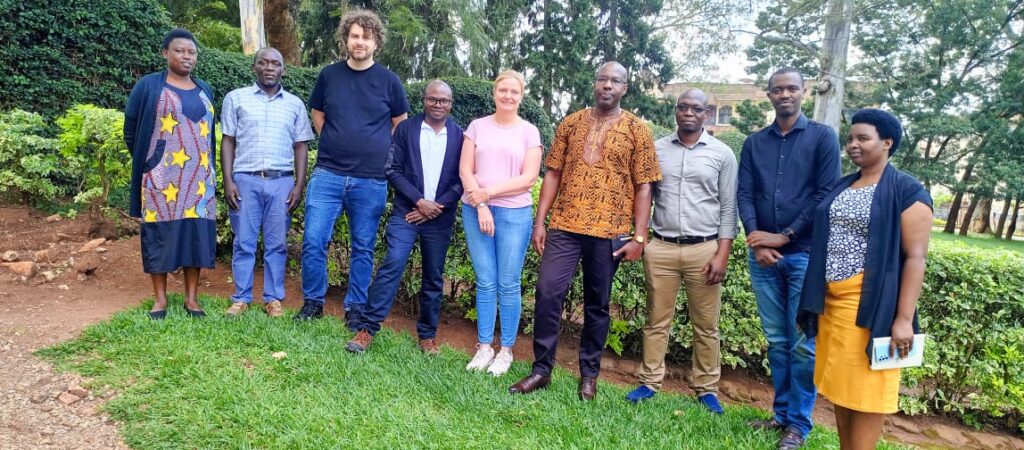
In JUA KIVU, we conduct mpox emergency outbreak research with the aim to better understand the dynamics of the ongoing mpox outbreak in the Democratic Republic of the Congo and other countries in the African Great Lakes region, providing evidence-based support for its containment. We build on ongoing activities and cross-border collaborations between five local African and three European partners, as well as local frontline health authorities and healthcare professionals.

Image of a microscope

ABOUT

The WHO declared mpox (formerly known as monkeypox) a public health emergency of international concern for the second time in August 14, 2024. The reason for this is the increase of cases in the Democratic Republic of the Congo (DRC) and the newly reported clade Ib spreading to neighboring countries (Mpox outbreak). Mpox is a viral disease that primarily spreads through close (sexual) contact with an infected person and can cause severe illness. Symptoms include a painful rash, swollen lymph nodes, and fever.

JUA KIVU
NEWS

November 12, 2025

Capacity building training

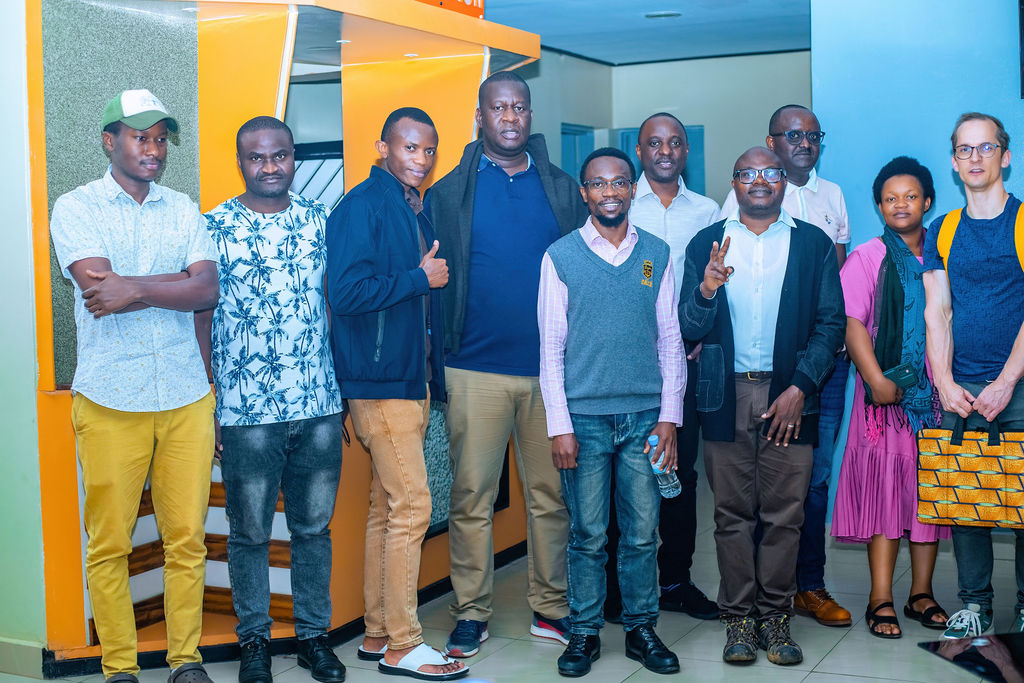
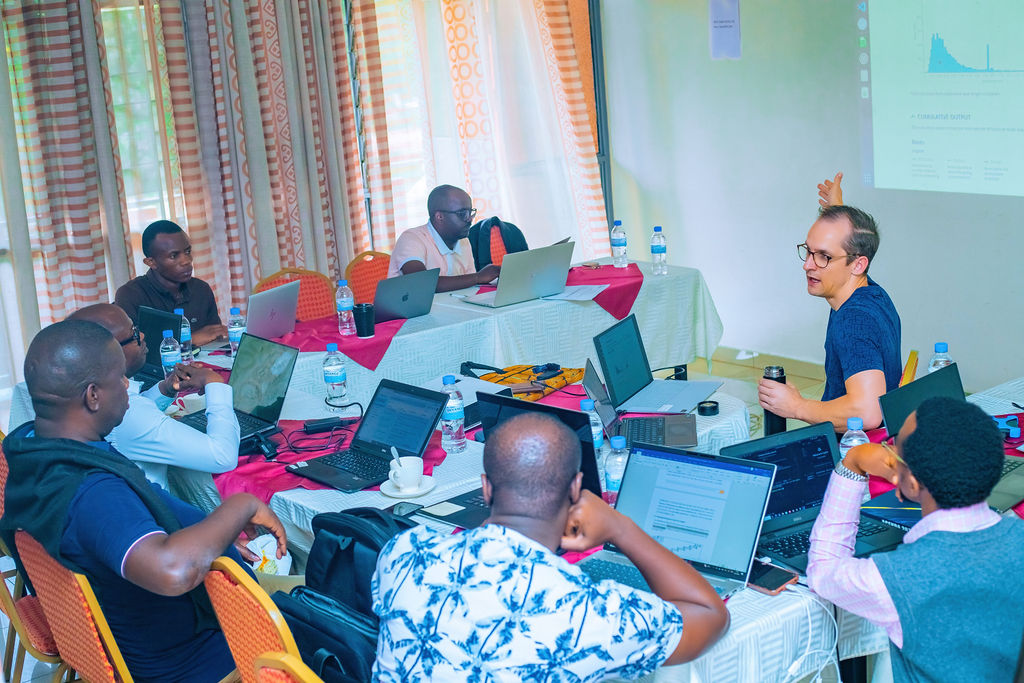
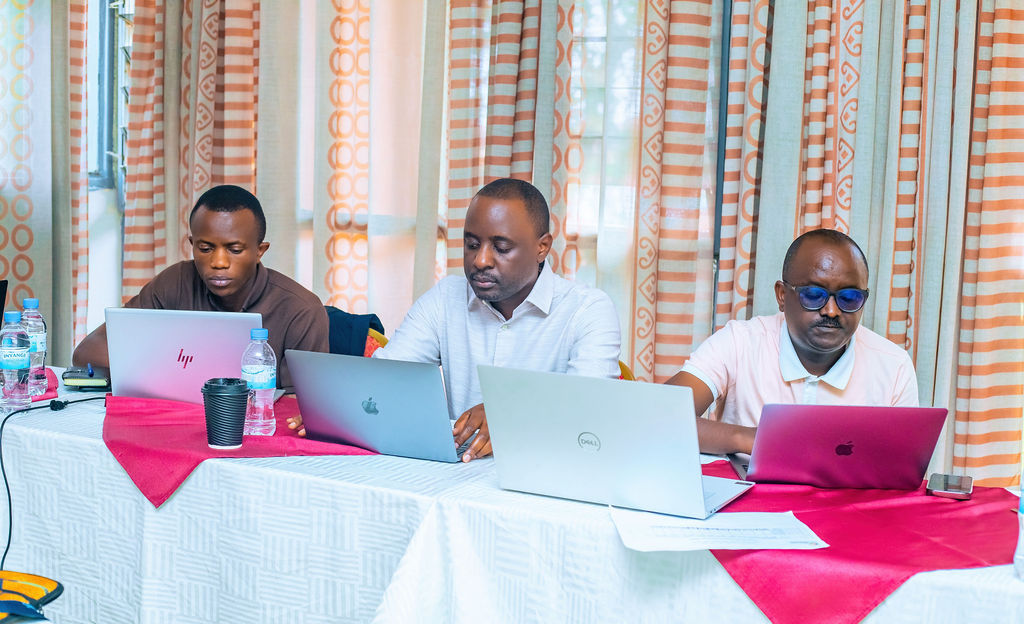
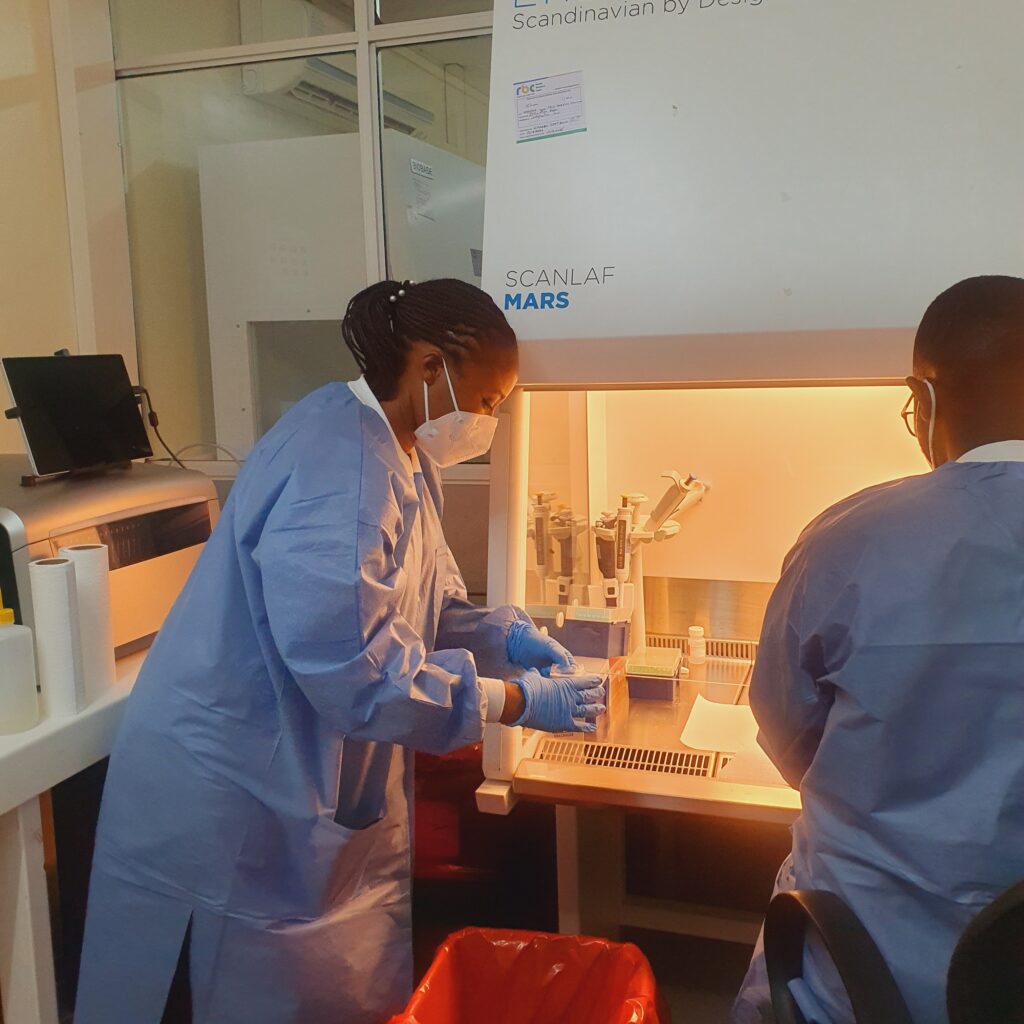
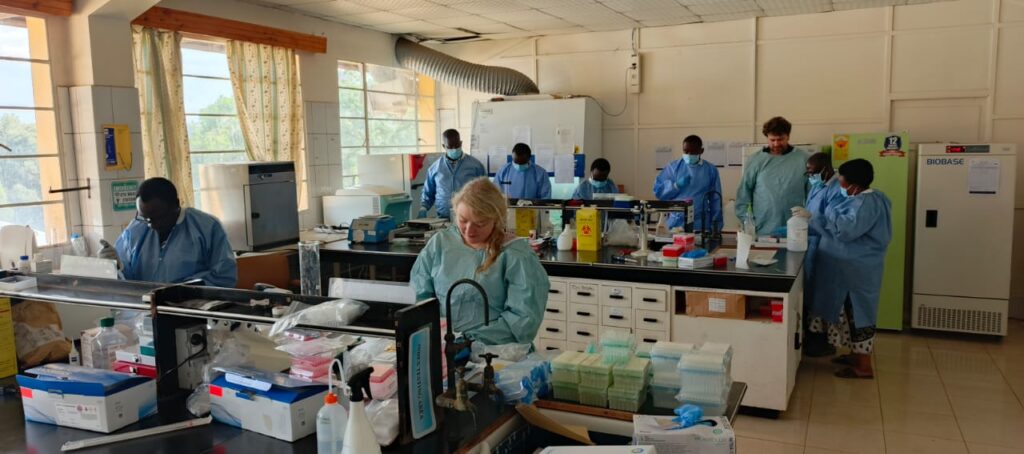
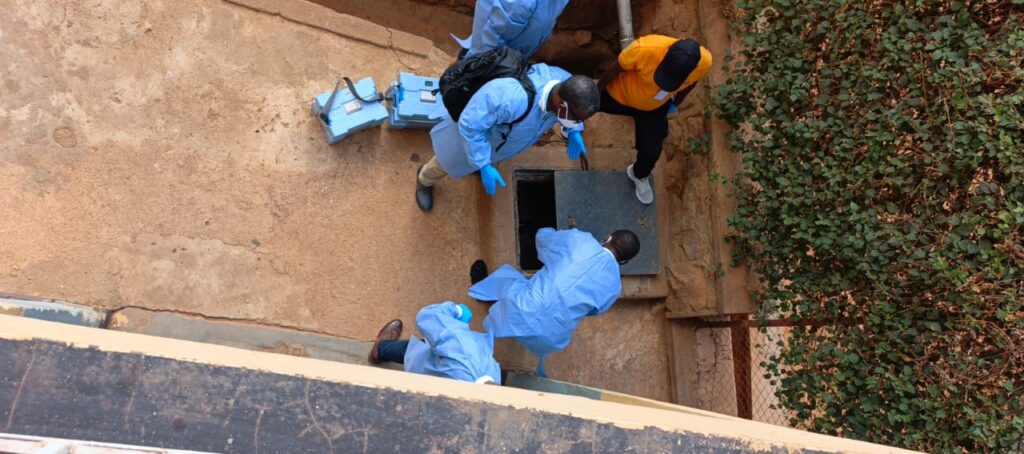
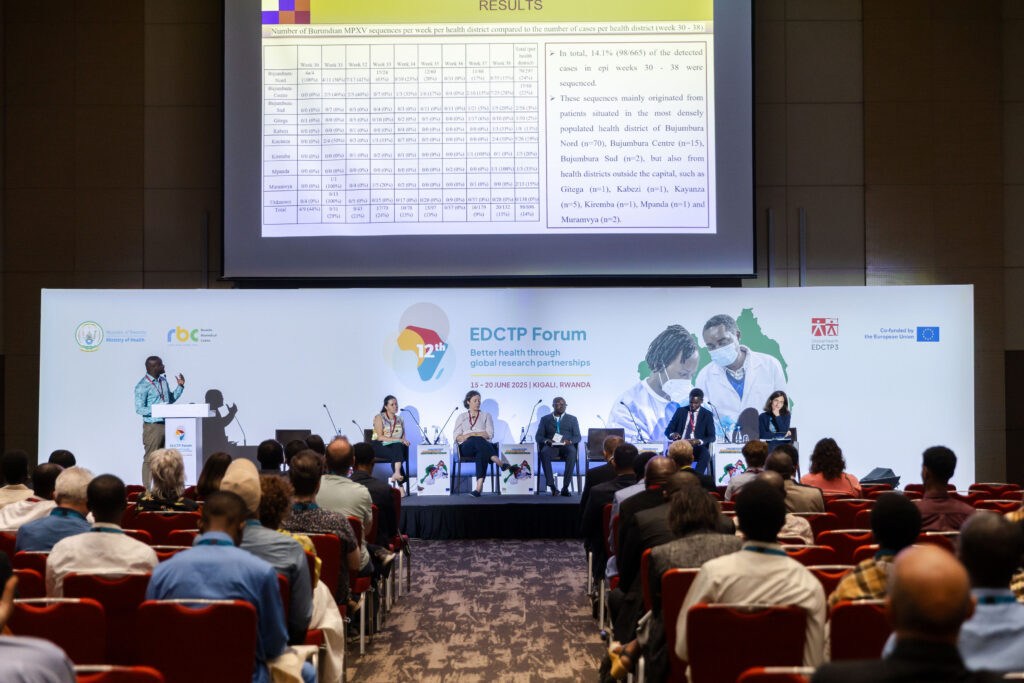
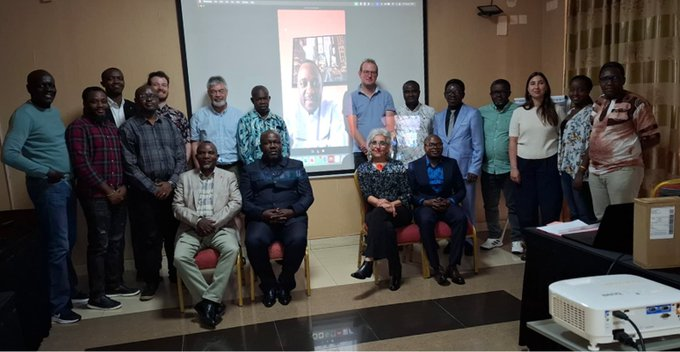
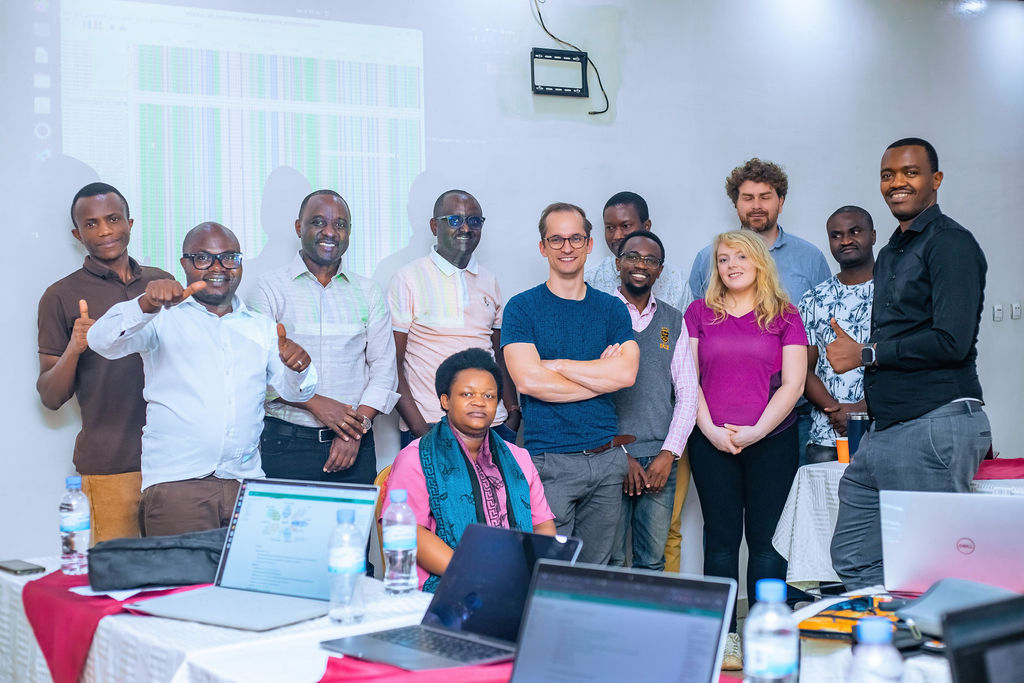
In Rwanda, a recent training brought together local scientists from Burundi, Rwanda, Tanzania and the DRC to learn hands-on methods for processing and analyzing samples. 
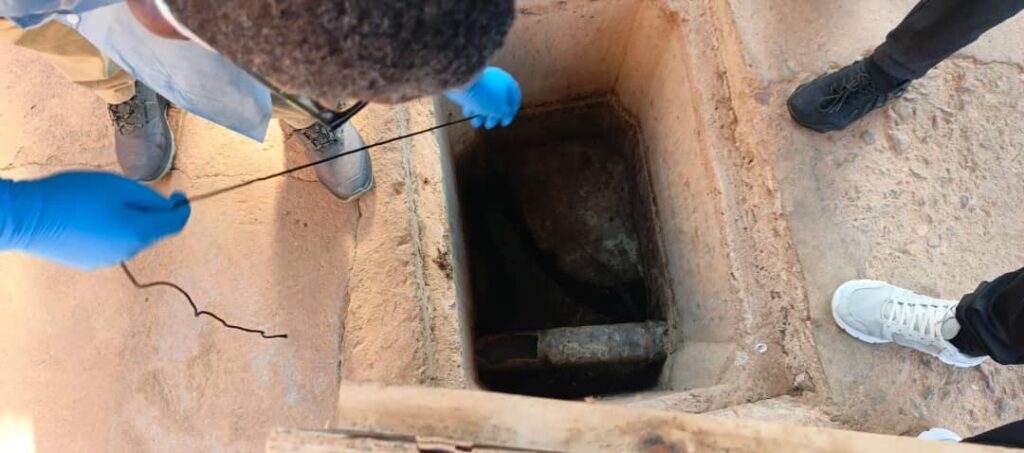
The workshop focused on practical techniques and data analysis—from processing samples for metagenomic and amplicon-based whole genome sequencing to analyzing and interpreting the resulting data using bioinformatics tools. By sharing these skills, the training helps strengthen local expertise in environmental surveillance and public health research. Participants gained technical knowledge to be able to apply it in their own laboratories and communities, ensuring that important monitoring work can continue sustainably at the national level.

Building local capacity is a cornerstone of long-term public health resilience. When scientists and institutions within a country have the tools, knowledge, and infrastructure to monitor disease threats, they can respond more quickly and effectively to outbreaks. Empowering local experts reduces dependency on external laboratories and creates lasting networks for collaboration, innovation, and knowledge sharing. This approach ensures that scientific progress benefits the people who need it most—protecting communities, strengthening health systems, and promoting regional self-reliance in the face of future challenges.

The training followed the protocols, which are available here:

https://www.globalsurveillance.eu/-/media/sites/global_surveillance/gl-protocols/protocol-for-viral-metagenomics-sequencing-using-ont.pdf

https://www.globalsurveillance.eu/-/media/sites/global_surveillance/gl-protocols/protocol-for-mpox-sequencing-on-ont.pdf

The training also used the following package list of the reagents and plastics used during the African workshops:

Overview_items_shipped_for_training_workshopDownload

Drag and drop or click to select a file.

Publications

New Publication: Uncovering Hidden Mpox Transmission Routes in South Kivu, DRC

August 27, 2025
A new study published in Nature Communications sheds light on previously undetected transmission pathways of clade Ib Mpox in South Kivu, Democratic Republic of Congo. The research highlights significant transmission among sex workers and within household settings—critical insights for designing more effective and targeted vaccination strategies. This work was made possible through the support of the European & […]

Epidemiological and genomic evolution of the ongoing outbreak of clade Ib mpox virus in the eastern Democratic Republic of the Congo

March 20, 2025
We describe the epidemiological and genomic evolution of the mpox outbreak between September 2023 and June 2024. The results suggest rapid spread mostly through sexual contact within densely populated areas. The spread to neighboring countries highlights the need for extended cross-border collaboration, health education strategies focusing on sex workers, contact tracing, clinical care and surveillance. […]